
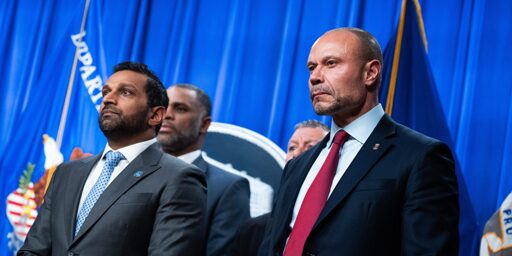
An FBI investigation into an alleged terror plot in Southern California bears the familiar hallmarks of the bureau’s long-running use of informants and undercover agents to advance plots that might not otherwise have materialized, court documents show.
The limited details available suggest an investigation that leaned heavily on a paid informant and at least one undercover FBI agent, according to an affidavit filed in federal court. The informant and the undercover agent were involved in nearly every stage of the case, including discussions of operational security and transporting members of the group to the site in the Mojave Desert where federal agents ultimately made the arrests.
“The question that immediately popped into my mind was that: There’s a reference to a confidential human source, but there’s no indication of how that source came to be,” said Brad Crowder, an activist and union organizer who was convicted in a case of alleged violent protest plans that involved a confidential informant. “It’s not totally out of the realm of possibilities that this idea was planted or floated by whoever this confidential human source might be.”
